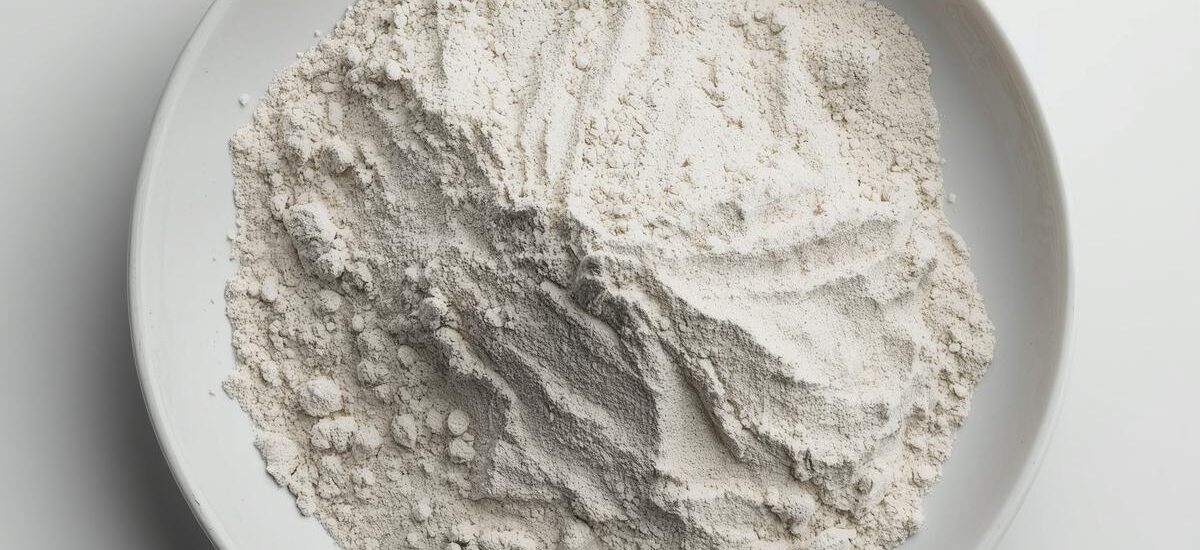
Bentonite is widely used in chemical and wastewater treatment because of its strong ability to absorb impurities, bind contaminants, and remove suspended particles from water. When added to wastewater, Bentonite forms a floc (cluster) that traps dirt, heavy metals, and chemicals, making the water cleaner and safer to reuse or discharge.
How Bentonite Helps in Water & Chemical Treatment
1. Removes Suspended Solids
Bentonite attracts fine particles like clay, sand, and organic matter. It helps them clump together and settle faster, improving water clarity.
2. Absorbs Heavy Metals & Toxic Chemicals
Its high surface area and negative charge allow Bentonite to bind toxic ions such as lead, mercury, cadmium, and chromium, removing them from water.
3. Controls Odor & Neutralizes pH
Bentonite reduces bad odor caused by impurities and helps balance pH in industrial effluent.
4. Improves Sludge Dewatering
It helps water separate from sludge, making waste disposal easier and reducing treatment costs.
5. Eco-Friendly & Safe
Unlike harsh chemicals, Bentonite is a natural, non-toxic, and environmentally safe material.
Applications in Treatment Industries
| Industry | Use |
|---|---|
| Wastewater treatment plants | Clarification & sludge management |
| Chemical industries | Removal of contaminants & pH control |
| Mining industry | Heavy metal removal |
| Food & beverage | Purification of juice, wine & beverages |
| Paper & textile | Effluent treatment |
What is Bentonite Powder? Properties, Types & Industrial Uses Explained
Why is Bentonite used for wastewater treatment and purification?
Which lime is used in AAC block manufacturing?
Why Calcium Carbonate Is Used in Toothpaste & Cosmetics?
Why Lime Is Essential in Building Materials Manufacturing?
Why is Bentonite used for wastewater treatment and purification?