Wastewater from industries like textiles, chemicals, metals, food processing, and agriculture contains heavy metals, oils, toxins, dyes, and suspended solids.
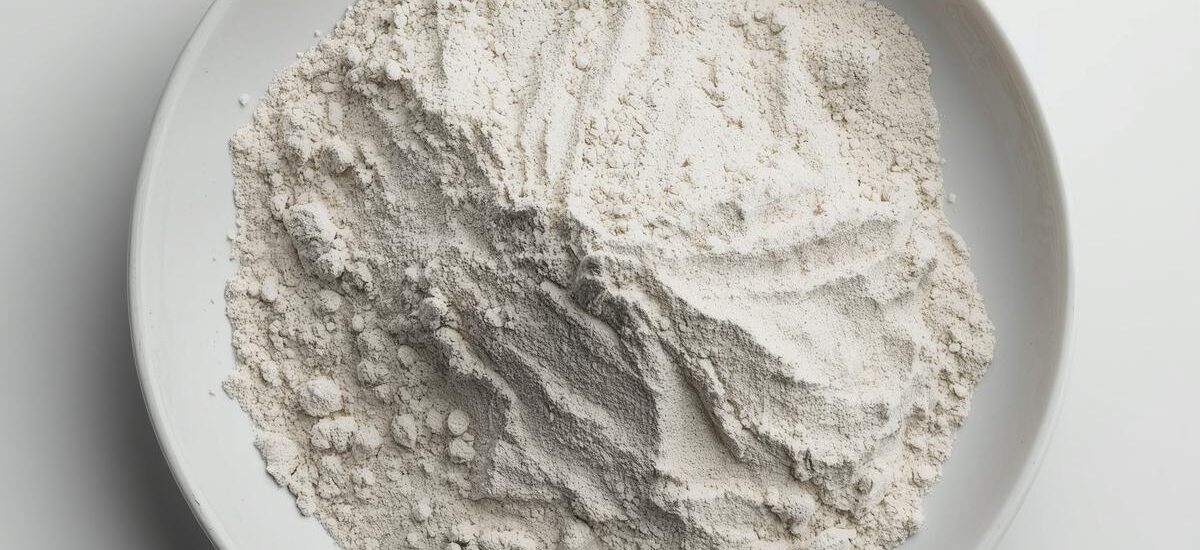
To clean this water effectively, industries use Bentonite Powder, especially Sodium Bentonite, because of its powerful adsorption, coagulation, and flocculation properties.
Bentonite works like a natural magnet that attracts impurities and settles them at the bottom — making the water cleaner and safe for reuse or discharge.
How Bentonite Helps in Wastewater Treatment?
1. High Adsorption Capacity
Bentonite attracts and binds harmful contaminants such as:
-
Heavy metals (lead, zinc, chromium, copper)
-
Oil & grease
-
Organic pollutants
-
Toxic chemicals
-
Dyes and color impurities
Its structure has a negative charge, which pulls positively charged pollutants.
2. Acts as a Natural Coagulant and Flocculant
Bentonite causes tiny particles and impurities to stick together and form larger clusters (flocs).
These flocs settle quickly at the bottom, making the water crystal clear.
This replaces or reduces the use of expensive chemical coagulants.
3. Removes Turbidity and Color
Industries producing colored wastewater (textile, dyeing, chemical plants) use Bentonite because it:
-
removes suspended solids
-
reduces turbidity
-
absorbs color pigments
-
improves clarity
4. Reduces Chemical Oxygen Demand (COD) & Biological Oxygen Demand (BOD)
Bentonite absorbs dissolved organic impurities that increase COD/BOD levels.
Lower COD/BOD means the water becomes safer for discharge or recycling.
5. Works as a Natural pH Buffer
Bentonite stabilizes the pH of industrial wastewater.
This prevents corrosion in pipelines and reduces shock loads on biological treatment systems.
6. Eco-Friendly & Non-Toxic Treatment Option
Unlike synthetic chemicals, Bentonite is:
-
natural
-
biodegradable
-
non-hazardous
-
safe for soil and water
Industries prefer Bentonite because it is both effective and environmentally friendly.
7. Cost-Effective for Large-Scale Treatment
Bentonite is cheaper compared to chemical flocculants and works in smaller doses.
It also reduces:
-
sludge volume
-
disposal cost
-
maintenance expenses
Hence it is widely used in Effluent Treatment Plants (ETP) and Sewage Treatment Plants (STP).
Industries Using Bentonite for Water Treatment
-
Textile & dyeing industry
-
Chemical plants
-
Oil & gas refineries
-
Mining & metal industry
-
Food and beverage manufacturing
-
Paper and pulp mills
-
Municipal wastewater facilities
-
Agriculture & landfill leachate treatment
Bentonite is used in wastewater treatment because it adsorbs pollutants, removes turbidity, reduces COD/BOD, stabilizes pH, and acts as a natural coagulating agent.
Its eco-friendly nature and cost-effectiveness make it an ideal choice for industries looking for safe and reliable purification methods.
For modern ETP/STP systems, Bentonite Powder remains one of the most powerful natural treatment materials.
What is Bentonite Powder? Properties, Types & Industrial Uses Explained
Why is Bentonite used for wastewater treatment and purification?
Which lime is used in AAC block manufacturing?
Why Calcium Carbonate Is Used in Toothpaste & Cosmetics?
Why Lime Is Essential in Building Materials Manufacturing?
Why is Bentonite used for wastewater treatment and purification?